Which five planets are in retrograde in October 2026, and what does it mean?
Kevin Blaxton · 6 min read ·
Five planets are in retrograde together for roughly two weeks in October 2026: Venus, Saturn, Uranus, Neptune and Pluto. The overlap runs from 3 October, when Venus turns retrograde, until Pluto turns direct late on 15 October in the Eastern US — just after 2 a.m. on 16 October in UTC. Retrograde does not mean a planet reverses through space; it is an optical effect, the planet only appearing to slip backwards against the stars as seen from a moving Earth. Mercury is not one of the five this time: it is still moving forward until the 24th.
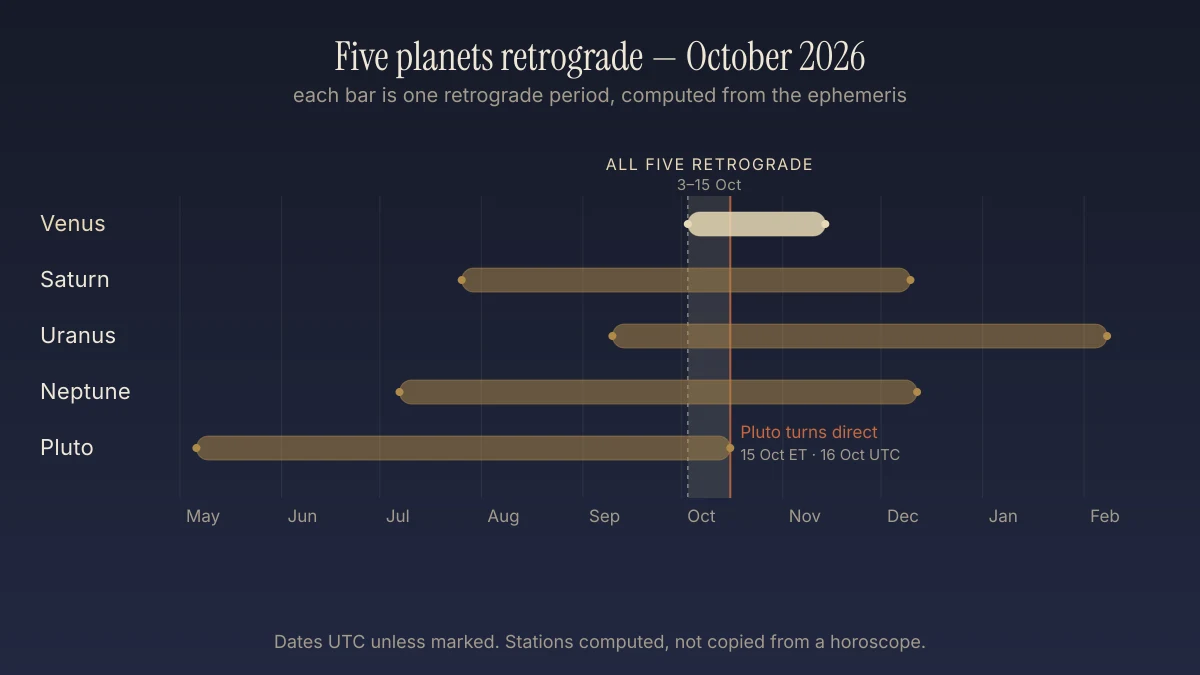
Which five planets are in retrograde in October 2026?
Venus, Saturn, Uranus, Neptune and Pluto, all at once from 3 to 15 October 2026. Each turned retrograde on its own date earlier in the year and turns direct on its own date later; the window when all five overlap is bracketed by the last to turn back — Venus, on 3 October — and the first to turn forward again — Pluto, on the 15th. The four outer planets had already been retrograde for weeks or months; Venus arriving is what briefly made the count five.
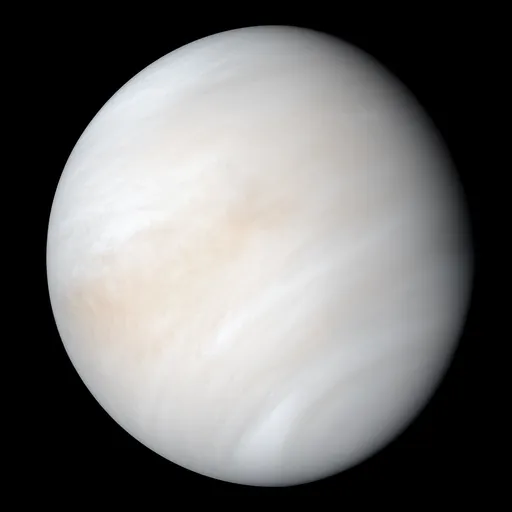 Venus — 3 October to 13 November 2026
- Traditionally read as a time to review relationships, values and money. A prompt to reconsider, not a warning.
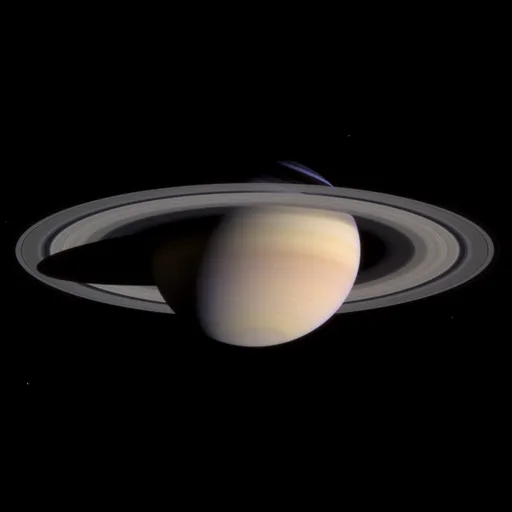 Saturn — 26 July to 10 December 2026
- Associated with revisiting commitments, structures and long-term responsibilities.
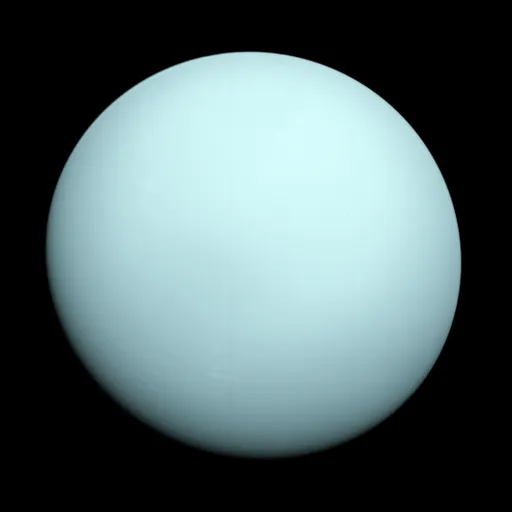 Uranus — 10 September 2026 to 8 February 2027
- Linked to rethinking where you want more room, change or independence.
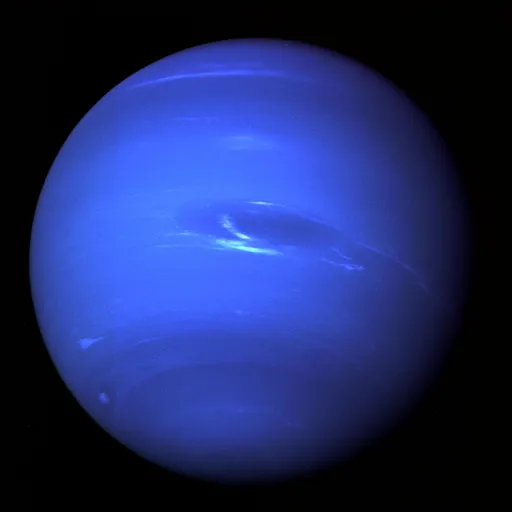 Neptune — 7 July to 12 December 2026
- Read as a time for clarity about ideals and dreams, and where you may be idealising.
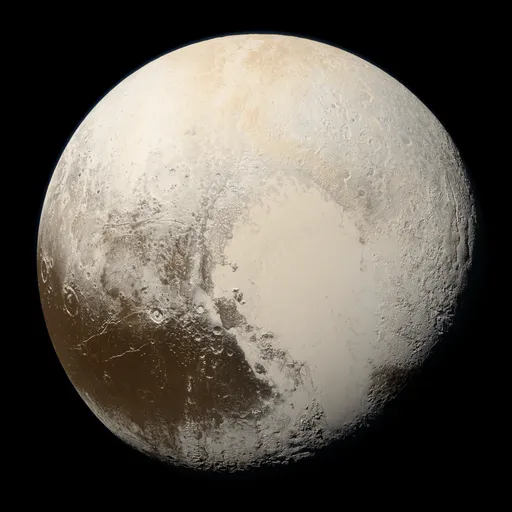 Pluto — 6 May to 15 October 2026 (16 October UTC)
- Tied to themes of power, control and slow, deep change. It is the planet whose turning direct ends this overlap.
Each full retrograde period above is computed from the same ephemeris the rest of the site uses. The themes are astrological tradition, labelled as interpretation, not established effects — the astronomy and the reading are kept apart on purpose.
Venus
False colour · UV
Saturn
Natural colour
Uranus
Approx. natural
Neptune
Enhanced colour
Pluto · dwarf planet
Natural colour
Images: Venus Mariner 10 / NASA/JPL-Caltech · Saturn Cassini / NASA/JPL/Space Science Institute · Uranus Voyager 2 / NASA/JPL-Caltech · Neptune Voyager 2 / NASA/JPL-Caltech · Pluto New Horizons / NASA/JHUAPL/SwRI/Alex Parker. Courtesy NASA; used per NASA’s media guidelines.
What does it mean when a planet is in retrograde?
It means the planet appears to move backwards along the zodiac for a while, as seen from Earth. Nothing reverses in space. The Earth and the other planets all keep orbiting the Sun the same way they always do; retrograde is a trick of perspective — the same effect by which a slower car you overtake on a motorway seems to drift backwards, though it is still going forwards.
If the geometry interests you, the longer explanation of how an orbiting Earth makes another planet appear to loop backwards is worth a read: does Mercury actually move backwards? walks through it with the real motion rather than an artist’s impression.
Why are five planets in retrograde at the same time?
Because the outer planets spend a large share of every year retrograde. Saturn, Uranus, Neptune and Pluto are each apparently backward for roughly four to five months at a stretch, so their retrogrades routinely overlap through late summer and autumn. Four of the five are therefore an ordinary seasonal cluster. What completes the set is Venus, which is retrograde only about six weeks every nineteen months; when one of its uncommon retrogrades lands inside the outer-planet window, as in October 2026, the count reaches five.
That is why this is worth dating rather than announcing as a permanent state of the sky. On 15 and 16 October the picture changes: Pluto turns direct, and only four planets are left retrograde until Venus, too, turns around in mid-November.
Is Pluto a planet, and is Mercury one of the five?
Pluto has been classified as a dwarf planet by astronomers since 2006, but astrology has always read it alongside the planets, so it is counted here. Mercury is not one of the five: it is moving forward through all of this. Mercury’s next retrograde begins on 24 October 2026 — after Pluto has already turned direct — and runs to 13 November, so the two never share this particular cluster.
If you came looking for Mercury specifically, its dated 2026 stations are set out in when is Mercury retrograde in 2026?. Worth noting: once Mercury turns back on the 24th, a different set of five — Mercury, Venus, Saturn, Uranus and Neptune — is briefly retrograde together, this time without Pluto.
What does astrology traditionally read into these retrogrades?
In tradition, a retrograde is read as a turn inward on that planet’s themes — a time to review, revisit and reconsider rather than push forward. These are interpretations, not established effects: astrology is a reflective framework and not an established method of predicting events, and no study has shown that a retrograde makes anything happen in your life. The calculation of where the planets are is checkable; what it is taken to mean is not.
So none of this is a reason to expect bad luck, and it is not a reason to postpone a medical, legal or financial decision — the sky has no vote in those. If the symbolism is useful to you at all, it is as a prompt: a retrograde stretch is a reasonable excuse to look again at something you had been meaning to revisit, and nothing heavier than that. Whether a chart’s meaning can be trusted at all is a question taken up in how accurate is a birth chart?.
Where this is disputed
Whether planetary retrogrades correspond to anything measurable in people’s lives has not been established, and the controlled studies that exist have generally not found the effects astrology describes. This article treats a retrograde as a framework for reflection, not a claim about cause.
Still have questions about the October 2026 retrogrades?
A few come up repeatedly, and because the answers are time-sensitive they are given with explicit dates rather than as a permanent "right now". The overlap this article describes is a fixed window — 3 to 15 October 2026 — not a standing claim about the sky.
- Which five planets were retrograde in October 2026?
- Venus, Saturn, Uranus, Neptune and Pluto, together from 3 October until Pluto turned direct on 15 October (Eastern) / 16 October (UTC).
- Are five planets still retrograde?
- Not of this group after 15–16 October 2026: once Pluto turned direct, four were left. When Mercury turns retrograde on 24 October, a different five is briefly backward through 13 November.
- Is Mercury one of them?
- No. Mercury was moving forward during this overlap. Its own next retrograde runs 24 October to 13 November 2026.
- What does retrograde actually mean?
- Apparent backward motion seen from Earth — an optical effect of two planets orbiting at different speeds, not a planet reversing its orbit.
- Does retrograde affect everyone the same way?
- Astrologically, any reading depends on an individual birth chart, not a blanket forecast — and there is no established physical effect on anyone at all.
If you would rather see where these planets actually are — and where they fall in your own chart instead of a general forecast — OrbHeaven shows the real positions and the dated stations, and labels the interpretation as interpretation. The 2026 transit calendar lists each station with its exact date, a free birth chart places today’s sky against your own, and Venus has its own page if it is the one you are watching. The arithmetic is checkable; what it means is yours to weigh.
About a minute. Birth time optional, and no account until after you have seen it.
Terms used here
Read next
What are chart patterns in astrology?
A chart pattern is a shape several planets make — a grand trine, T-square, grand cross, yod or kite. Here is what each one is, drawn from a real chart.
How accurate is an astrology birth chart?
Two different things get called a birth chart’s accuracy. The astronomy is accurate and checkable; whether its meaning is accurate is a separate, unproven question. Here is what is measured, what is read, and what makes a chart wrong.
Moon sign vs Sun sign: what’s the difference?
Your Sun sign comes from your date; your Moon sign changes every couple of days, so it often needs your birth time. Here is the difference, why the Moon sign is harder to pin down, and why both are signs, not constellations.
Written by Kevin Blaxton for OrbHeaven. About