Reference library
The astronomy underneath, in depth
Comprehensive, sourced articles on the science, history and mathematics behind astrology — with real spacecraft imagery, original diagrams, worked examples computed by OrbHeaven’s own engine, and a clear line between established astronomy and astrological interpretation. Each one is the longer companion to a glossary definition.
Astronomy
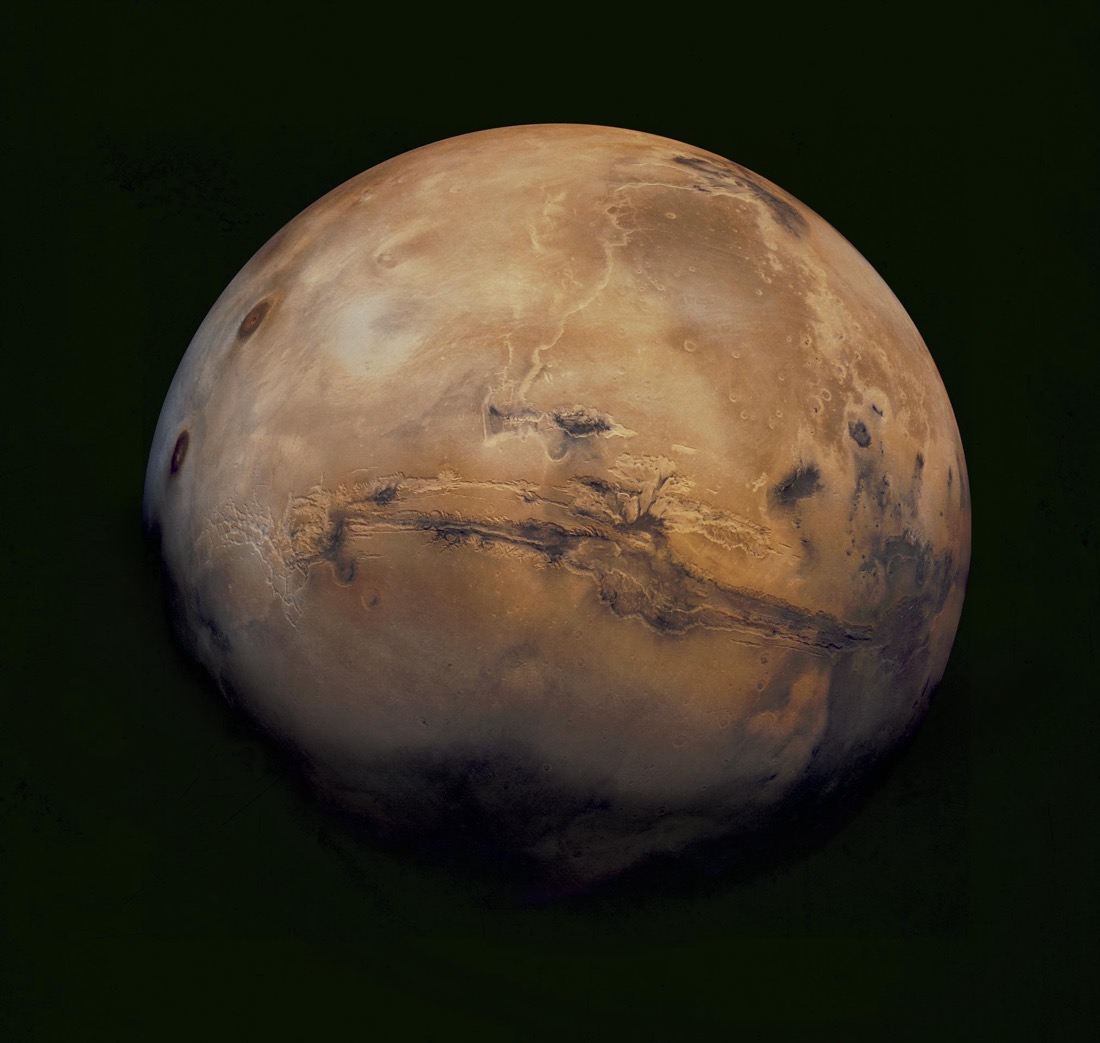
Why do planets seem to move backwards? Apparent retrograde motion
Planets never reverse. Retrograde motion is an illusion of perspective as Earth overtakes them — explained with orbital geometry, a worked example from our engine, and the history from Ptolemy to Kepler.
9 min read

Astronomy
What is the Ascendant, and why does your birth time decide it?
The rising sign is the degree of the zodiac climbing over the eastern horizon at your exact birth moment and place — explained with the celestial-sphere geometry, an engine-computed interactive, and why signs rise unevenly.
9 min read
Astronomy
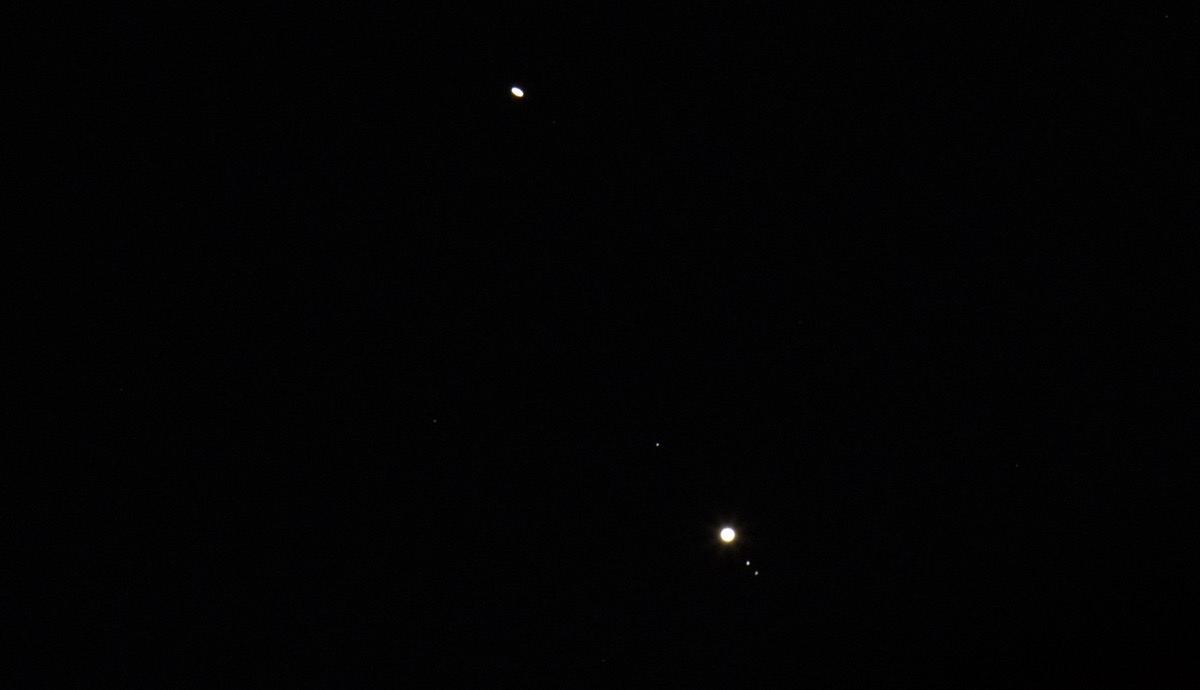
What is an aspect in astrology? The angles, the orbs, and the geometry
An aspect is the angle between two points in a chart. This is the geometry — the six angles astrologers use, what an orb is, and where the set comes from — with an interactive dial that classifies any separation using OrbHeaven’s engine.
8 min read
Astronomy
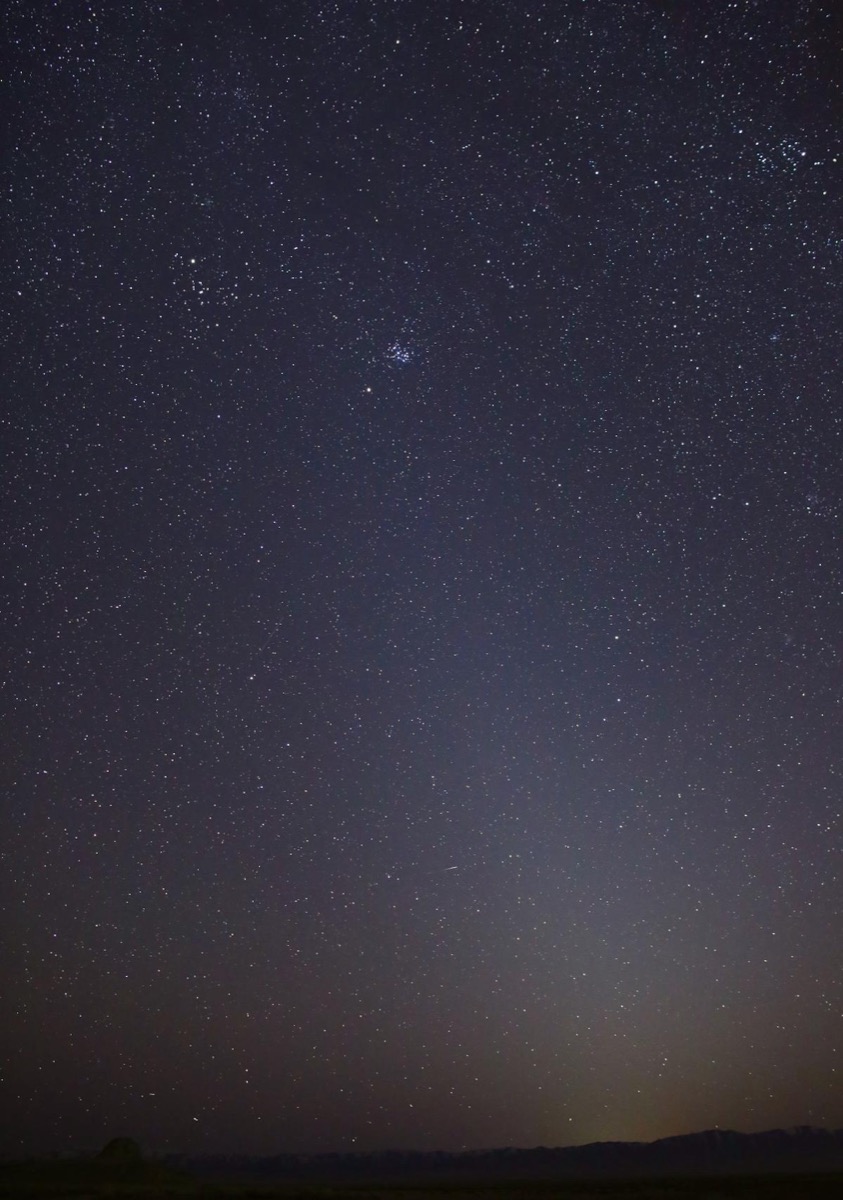
What is the tropical zodiac, and why are the signs not the constellations?
The tropical zodiac measures the signs from the March equinox, not from the stars — which is why, after millennia of precession, the signs no longer line up with their constellations. With engine-computed tropical/sidereal/constellation comparisons.
9 min read
Astronomy
What is a house system, and why is there more than one?
A house system is the rule for dividing the sky into the twelve houses. Every system shares the four angles; they differ only in the cusps between. This compares Placidus, whole-sign and equal from the engine — and explains why no calculation settles which is right.
8 min read
Astronomy
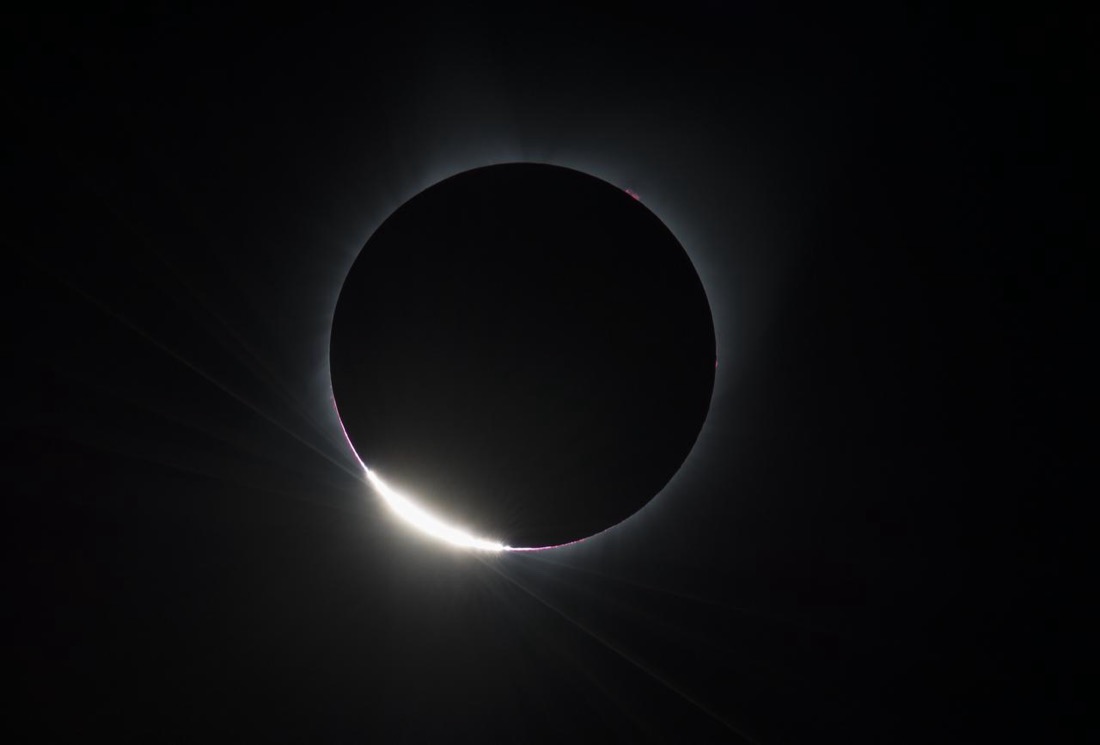
What are the lunar nodes, and why do eclipses happen there?
The lunar nodes are the two points where the Moon’s tilted orbit crosses the Sun’s path. Eclipses can only happen near them. This covers the geometry, mean versus true node, the history (Rahu and Ketu), and what the tradition reads into them.
8 min read
Astronomy
What is a birth chart, and how is one built?
A birth chart is a map of the sky at the moment and place you were born. This explains how one is assembled — the frame, the signs, the planets, the houses and aspects — reusing OrbHeaven’s engine, and where calculation ends and interpretation begins.
9 min read
Astronomy
What are your Sun, Moon and rising signs — the “big three”?
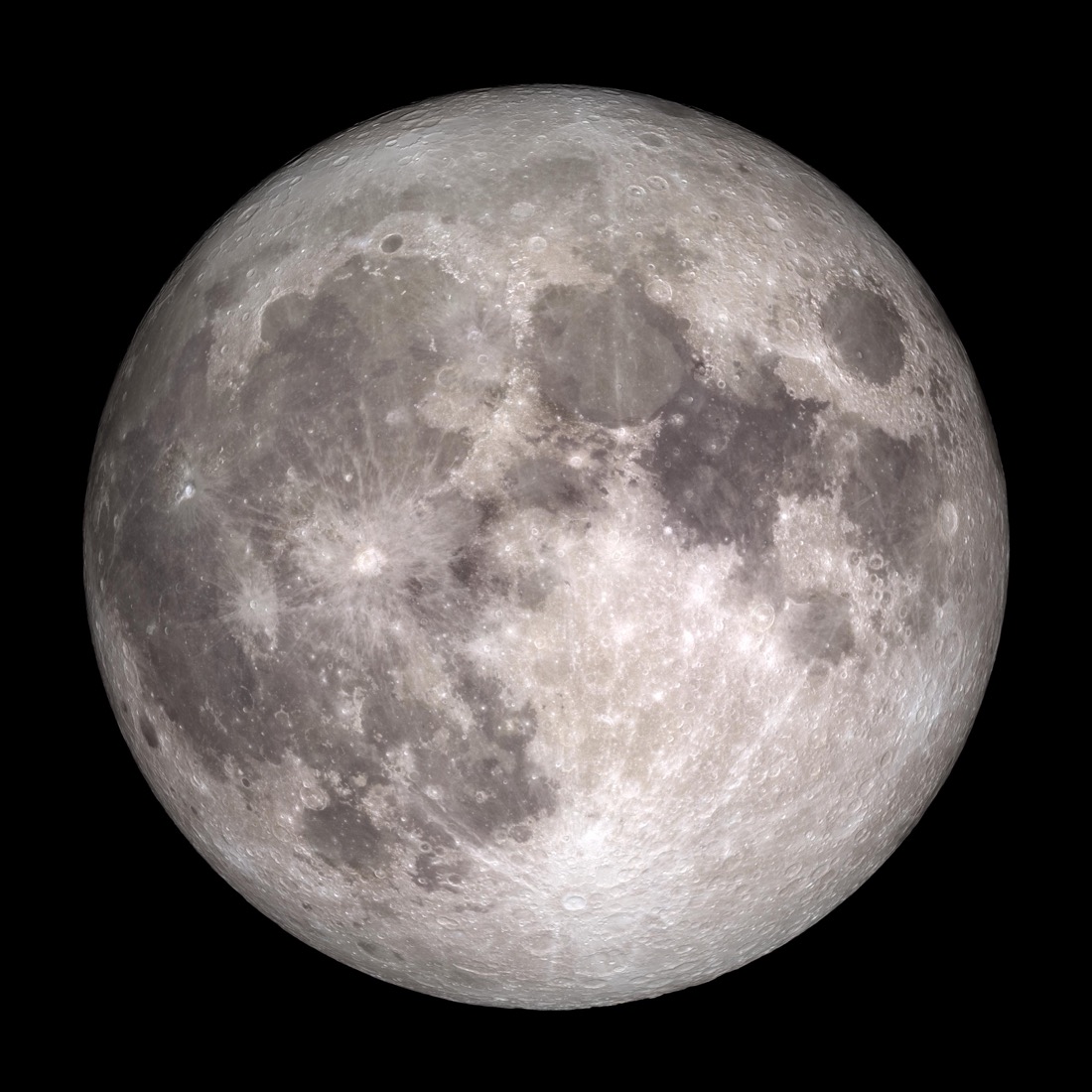
The Sun, Moon and rising sign are the three placements most astrologers start with. This explains what each one is astronomically — the Sun’s apparent position, the Moon’s actual position, the geometric Ascendant — how much birth information each needs, and what the tradition reads into them.
8 min read
Astronomy
What are the twelve signs of the zodiac?
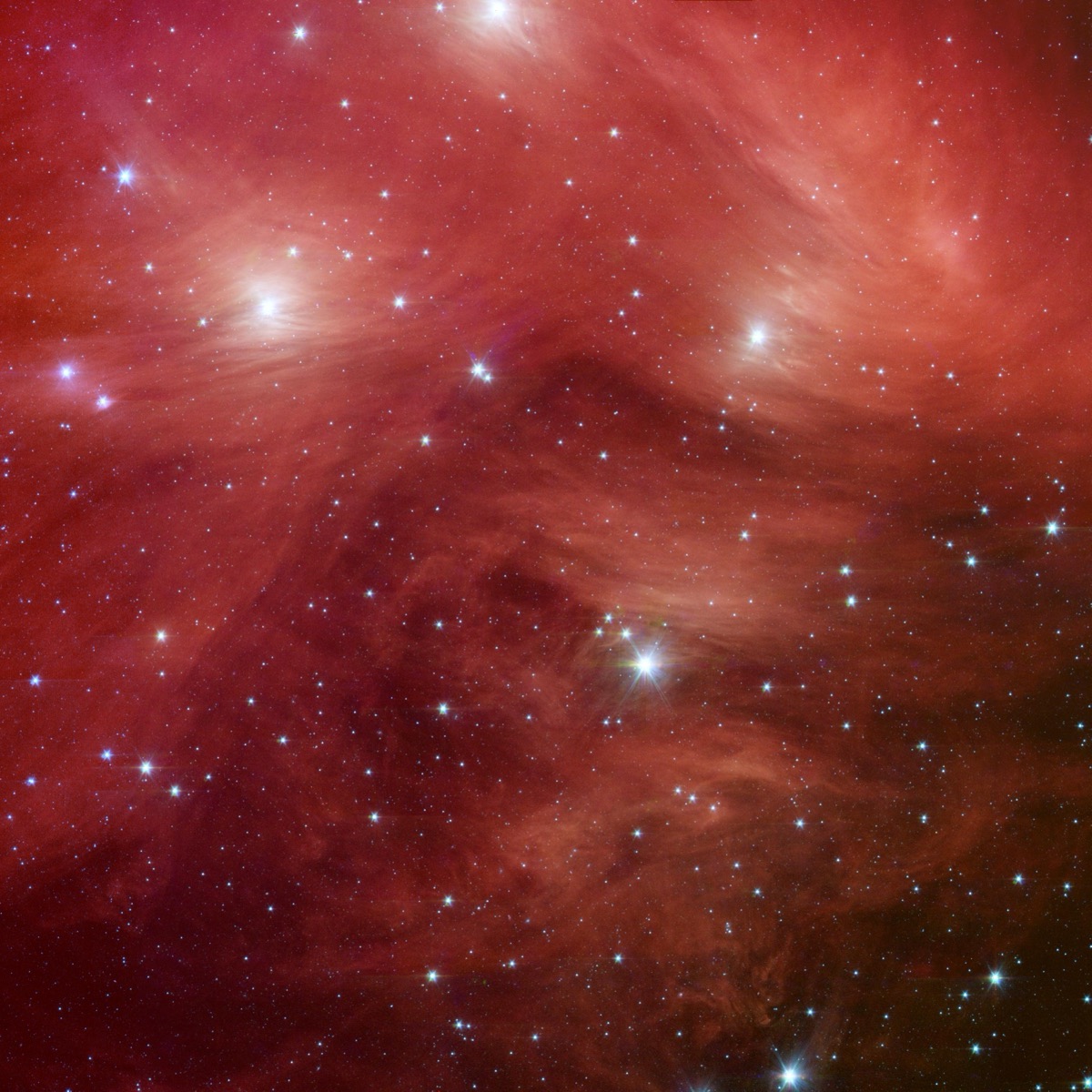
The twelve signs are equal 30° slices of the ecliptic, sorted by four elements and three modalities. This explains the structure, how a sign is determined, why the signs are not the constellations they are named for, and what the tradition reads into them.
9 min read
Astronomy
What are the twelve houses in astrology?
The houses are the twelve areas of life a chart is read through, drawn from the horizon at your birth. This covers the astronomical geometry, the twelve house topics, and how placement depends on birth time, place and the house system.
9 min read
Astronomy
What is a transit in astrology?
A transit is a planet’s ongoing motion meeting a point in your fixed birth chart. This explains how current positions are calculated, how a transit builds to exact and fades, and keeps the astronomy separate from the astrological reading.
8 min read
Astronomy
What do the degrees in a birth chart mean?
Every position in a chart is an angle. This explains the 360° circle, the twelve 30° signs, how a sign-and-degree equals an absolute ecliptic longitude, and how degrees drive aspects — keeping the arithmetic separate from interpretation.
7 min read
Astronomy
What is an orb in astrology?
An orb is how far an aspect is from exact — and how far from exact still counts. This explains the arithmetic, OrbHeaven’s orb table and the luminary rule, with an interactive dial, and that orbs are a convention of practice, not a scientific threshold.
7 min read
Astronomy
What is the Midheaven (MC) in astrology?
The Midheaven is where the ecliptic crosses the upper meridian — not the zenith, and not the ecliptic’s highest point. This covers the celestial-sphere geometry, an engine-computed example, its relationship to the house systems, and the traditional reading.
8 min read
History of ideas
What are the four elements in astrology?
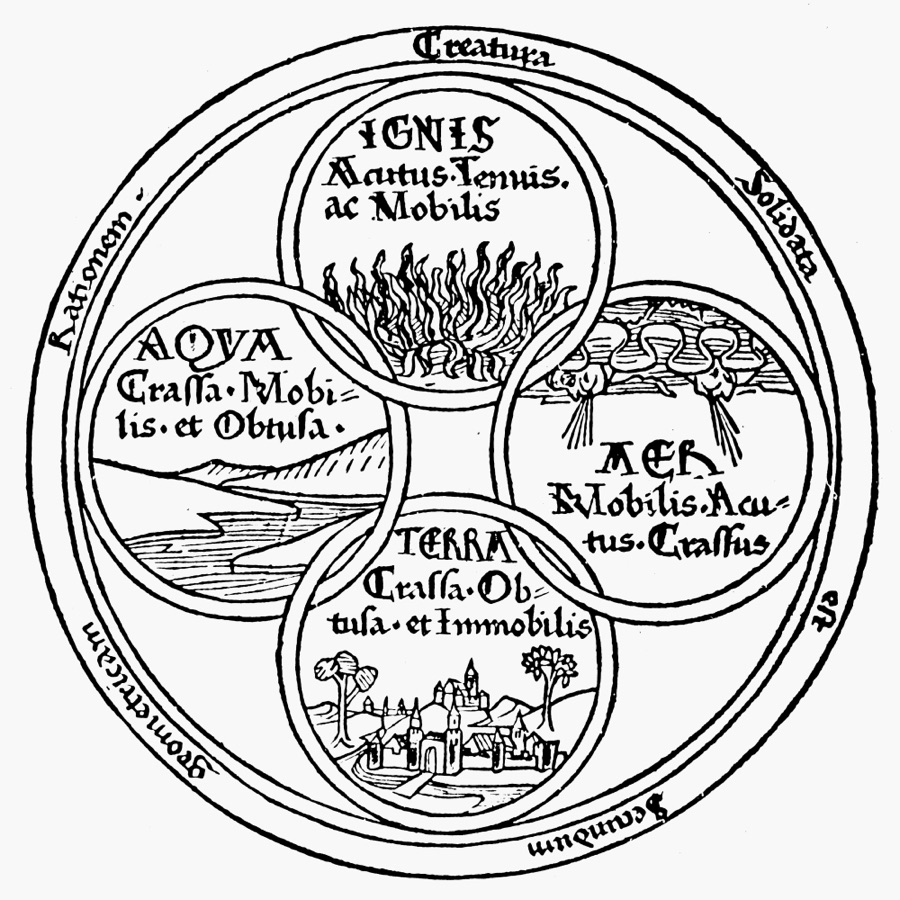
Fire, earth, air and water are a traditional way of sorting the twelve signs into four groups of three — a classification of temperament, not a physical property of the signs. This explains the groupings, their classical qualities, where the scheme came from, and why it is not the chemistry of the same name.
8 min read
History of ideas
What are the three modalities in astrology?
Cardinal, fixed and mutable are a traditional way of sorting the twelve signs into three groups of four by how they act — start, hold, adapt. This explains the groupings, their tie to the seasons, how they combine with the four elements to make the twelve signs, and why they are a classification rather than a tested personality typology.
7 min read
Astronomy
What is a planetary station?
A station is the instant a planet’s apparent motion along the zodiac changes direction — stationary retrograde when it turns backward, stationary direct when it turns forward. With an engine-computed graph of the exact turning points and a worked example.
8 min read
Astronomy
What is a new Moon?
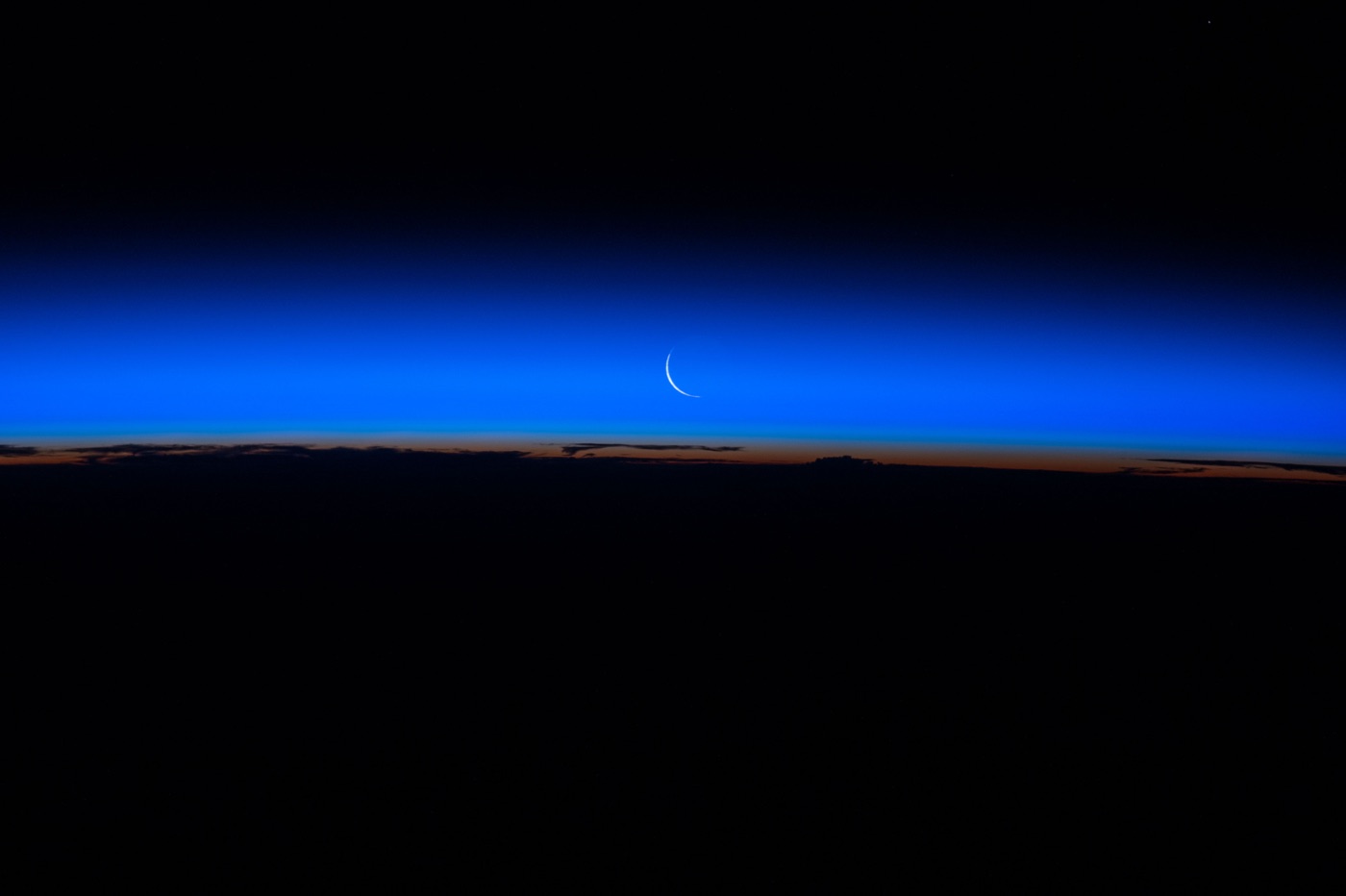
A new Moon is the instant the Sun and Moon share the same ecliptic longitude — a conjunction, with the Moon between Earth and Sun and its lit side turned away. This explains the geometry, distinguishes the exact instant from the visible crescent, works a real example from the engine, and shows why most new Moons are not solar eclipses.
9 min read
Astronomy
What is a full Moon?
A full Moon is the instant the Sun and Moon reach about 180° apart in ecliptic longitude — an opposition, the Earth between them and the near side fully lit. With the geometry, a worked example from the engine, and why most full Moons are not lunar eclipses.
9 min read
Astrology
What is the chart ruler?
The chart ruler is the planet that rules the sign on the Ascendant: find the rising sign, then read off its ruler. Covers the traditional and modern schemes (which differ for Scorpio, Aquarius and Pisces) and how an uncertain birth time can change the ruler.
8 min read
Astrology
What is a stellium?
A stellium is a concentration of several planets — usually three or more — in one sign or one house of a chart. This explains the competing definitions, shows one on a chart wheel, separates the measured positions from the interpretive label, and explains how a sign-based and a house-based stellium can differ.
7 min read
Astrology
What is a conjunction?
A conjunction is two planets at nearly the same degree of the zodiac — an aspect of 0°. This explains the geometry, how OrbHeaven counts it within an 8° orb, what the tradition reads into it, and where the idea comes from.
4 min read
Astrology
What is an opposition?
An opposition is two planets 180° apart, facing each other across the chart. This explains the geometry, how OrbHeaven counts it within an 8° orb, what the tradition reads into it, and where it comes from.
4 min read
Astrology
What is a square in astrology?
A square is two planets 90° apart — a quarter of the circle, three signs apart, in signs of the same modality. This explains the geometry, how OrbHeaven counts it within a 7° orb, what the tradition reads into it, and where it comes from.
4 min read
Astrology
What is a trine?
A trine is two planets 120° apart — a third of the circle, four signs apart, usually in signs of the same element. This explains the geometry, how OrbHeaven counts it within a 7° orb, what the tradition reads into it, and where it comes from.
4 min read
Astrology
What is a sextile?
A sextile is two planets 60° apart — a sixth of the circle, two signs apart, usually in compatible elements. This explains the geometry, why OrbHeaven gives it a tighter 5° orb, what the tradition reads into it, and where it comes from.
4 min read
Astrology
What is a quincunx?
A quincunx — or inconjunct — is two planets 150° apart, in signs that share neither element nor mode. This explains the geometry, why it is not one of Ptolemy’s aspects, the tight orb OrbHeaven gives it, and what the tradition reads into it.
4 min read
Astrology
What is a grand trine?
A grand trine is three planets each 120° from the other two — an equilateral triangle of three trines, usually in one element. This explains the geometry, which configurations qualify, a worked example, and what the tradition reads into it.
4 min read
Astrology
What is a T-square?
A T-square is two planets in opposition that both square a third — the apex. This explains the geometry, which configurations qualify, a worked example, and what the tradition reads into the apex planet.
4 min read
Astrology
What is a grand cross?
A grand cross is four planets in two oppositions that square each other — four squares and two oppositions, usually in one modality. This explains the geometry, which configurations qualify, a worked example, and what the tradition reads into it.
4 min read
Astrology
What is a yod?
A yod is two planets in sextile that both make a quincunx to a third — the apex. This explains the geometry, which configurations qualify, a worked example, the genuine dispute over its meaning, and its history.
4 min read
Astrology
What is a kite?
A kite is a grand trine with a fourth planet opposite one of its points and sextile the other two. This explains the geometry, which configurations qualify, a worked example, and what the tradition reads into the opposing planet.
4 min read
Astronomy
What is a house cusp?
A house cusp is the boundary between two houses — a degree of the zodiac. This explains what a cusp is, how the house system and the birth time set it, why cusps move, and how a planet near a cusp is read.
5 min read
Astronomy
What can a chart show without a birth time?
Without a birth time, a chart shows only what holds across the whole day — planets by sign, most aspects — while the Ascendant, Midheaven and houses cannot be found at all. This explains why, and how OrbHeaven shows the uncertainty.
5 min read
Astronomy
What is the Descendant?
The Descendant is the degree of the zodiac setting in the west at birth — exactly opposite the Ascendant, and the 7th-house cusp in quadrant charts. This explains the geometry, how it is found, and what the tradition reads into it.
4 min read
Astronomy
What is the Imum Coeli?
The Imum Coeli, or IC, is the point of the zodiac opposite the Midheaven — the lower meeting of the ecliptic and the meridian, and the 4th-house cusp in quadrant charts. This explains the geometry, how it is found, and what it means.
4 min read
Astrology
What is an applying aspect?
An applying aspect is one still forming — the faster planet moving toward the exact angle, so the gap is closing. This explains how it is told from a separating aspect, how OrbHeaven computes it, and what the tradition reads into it.
4 min read
Astrology
What is a separating aspect?
A separating aspect is one already past exact — the faster planet moving away, so the gap is widening. This explains how it is told from an applying aspect, how OrbHeaven computes it, and what the tradition reads into it.
4 min read
Astronomy
What is direct motion?
Direct motion is a planet’s ordinary forward motion through the zodiac — what it does most of the time. This explains the astronomy, how OrbHeaven tells it from retrograde, and what the tradition reads into a planet stationing direct.
4 min read
Astronomy
What is an ingress?
An ingress is the instant a body’s apparent ecliptic longitude crosses a zodiac-sign boundary — a multiple of 30°. This explains the geometry, shows a verified example from the engine, and gives the rates for each body and what the tradition reads into an ingress.
5 min read
Astronomy
What is a lunation?
A lunation is the Moon’s synodic cycle — the roughly 29.5-day round from New Moon to New Moon, through the phases as the Sun–Moon elongation and the lit fraction change. This explains the astronomy, shows the phases, and separates them from the tradition.
6 min read
Astronomy
What is the waxing Moon?
The waxing Moon is the half of the lunar cycle from New to Full, when the lit part of the disc grows each night. This explains the astronomy — the rising elongation and illuminated fraction — and separates it from the traditional reading.
4 min read
Astronomy
What is the waning Moon?
The waning Moon is the half of the lunar cycle from Full back to New, when the lit part of the disc shrinks each night. This explains the astronomy — the falling illuminated fraction — and separates it from the traditional reading.
4 min read
Astrology
What is the void-of-course Moon?
The void-of-course Moon is the stretch after the Moon’s last exact aspect in a sign until it enters the next. The definition depends on which aspects and bodies count — a convention, not an astronomical event. This sets out the competing definitions without picking one as settled.
5 min read
History of ideas
What are planetary hours?
Planetary hours divide daylight into twelve unequal hours and the night into twelve more, each ruled by one of the seven classical planets in the Chaldean order. This explains the scheme and its history — and that it is a timekeeping tradition, not a physical influence.
5 min read
Astronomy
What is a solar return?
A solar return is the instant each year when the Sun comes back to the exact apparent ecliptic longitude it held at birth — the birthday by the sky, which rarely lands on the calendar date. This works an example from the engine and documents the birth-time sensitivity.
5 min read
Written by Kevin Blaxton for OrbHeaven. Figures are computed by the engine and re-checked by automated tests; imagery is credited to its source. About